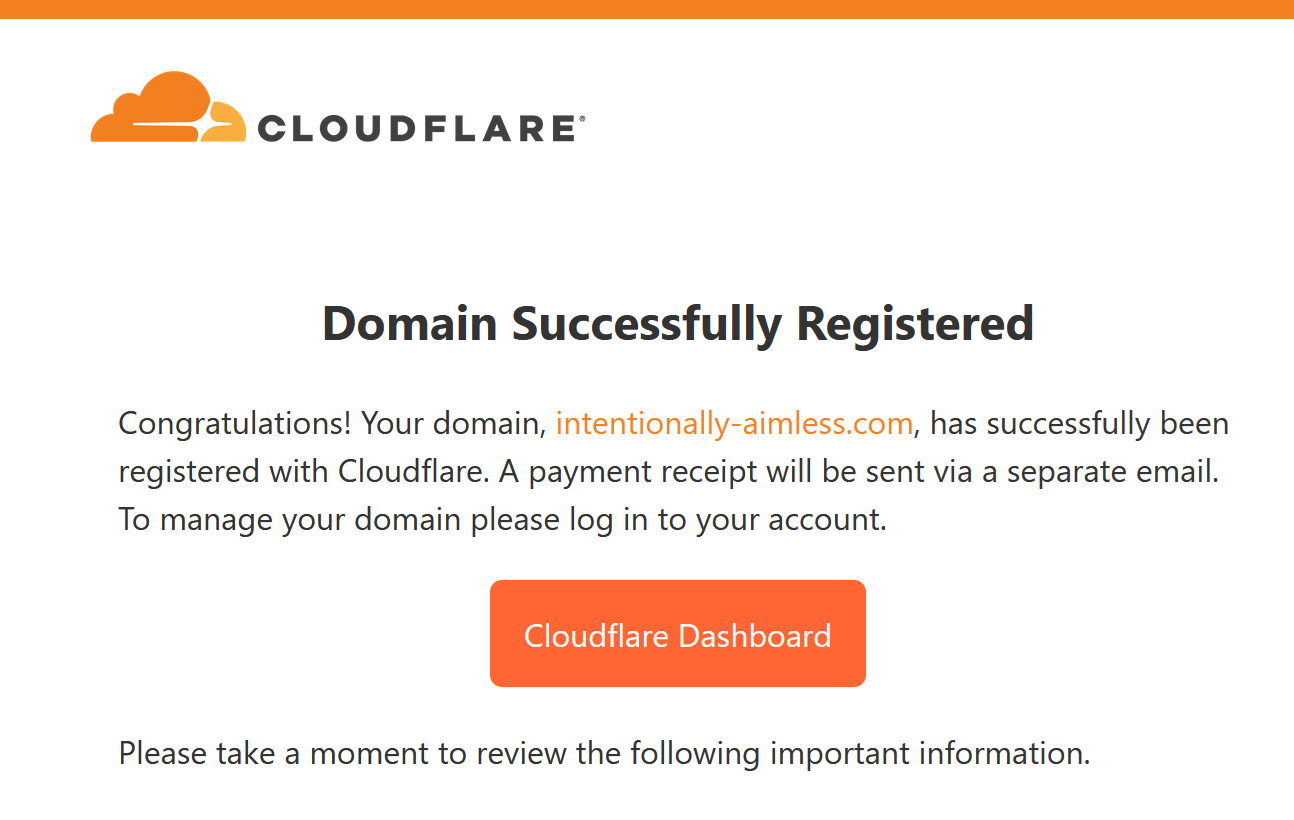
<?xml version="1.0" encoding="utf-8"?><feed xmlns="http://www.w3.org/2005/Atom" ><generator uri="https://jekyllrb.com/" version="3.10.0">Jekyll</generator><link href="http://intentionally-aimless.com/feed.xml" rel="self" type="application/atom+xml" /><link href="http://intentionally-aimless.com/" rel="alternate" type="text/html" /><updated>2026-04-05T22:02:56+00:00</updated><id>http://intentionally-aimless.com/feed.xml</id><title type="html">intentionally aimless</title><subtitle>second year undergraduate student studying 16 + 6-4 @ MIT. i also build stuff, somtimes.</subtitle><entry><title type="html">Hello World: Building this website without understanding the internet</title><link href="http://intentionally-aimless.com/website/2026/04/05/hello-world.html" rel="alternate" type="text/html" title="Hello World: Building this website without understanding the internet" /><published>2026-04-05T19:55:04+00:00</published><updated>2026-04-05T19:55:04+00:00</updated><id>http://intentionally-aimless.com/website/2026/04/05/hello-world</id><content type="html" xml:base="http://intentionally-aimless.com/website/2026/04/05/hello-world.html"><![CDATA[<p><img src="https://res.cloudinary.com/dwyrlx60x/image/upload/q_auto/f_auto/v1775425354/domain-registered_lhhrdd.png" alt="Cloudflare domain sucessfully registered email" title="I didn't think it would be this easy" /></p>

<p>You’ll find this post in your <code class="language-plaintext highlighter-rouge">_posts</code> directory. Go ahead and edit it and re-build the site to see your changes. You can rebuild the site in many different ways, but the most common way is to run <code class="language-plaintext highlighter-rouge">jekyll serve</code>, which launches a web server and auto-regenerates your site when a file is updated.</p>

<p>Jekyll requires blog post files to be named according to the following format:</p>

<p><code class="language-plaintext highlighter-rouge">YEAR-MONTH-DAY-title.MARKUP</code></p>

<p>Where <code class="language-plaintext highlighter-rouge">YEAR</code> is a four-digit number, <code class="language-plaintext highlighter-rouge">MONTH</code> and <code class="language-plaintext highlighter-rouge">DAY</code> are both two-digit numbers, and <code class="language-plaintext highlighter-rouge">MARKUP</code> is the file extension representing the format used in the file. After that, include the necessary front matter. Take a look at the source for this post to get an idea about how it works.</p>

<p>Jekyll also offers powerful support for code snippets:</p>

<figure class="highlight"><pre><code class="language-ruby" data-lang="ruby"><span class="k">def</span> <span class="nf">print_hi</span><span class="p">(</span><span class="nb">name</span><span class="p">)</span>
  <span class="nb">puts</span> <span class="s2">"Hi, </span><span class="si">#{</span><span class="nb">name</span><span class="si">}</span><span class="s2">"</span>
<span class="k">end</span>
<span class="n">print_hi</span><span class="p">(</span><span class="s1">'Tom'</span><span class="p">)</span>
<span class="c1">#=&gt; prints 'Hi, Tom' to STDOUT.</span></code></pre></figure>

<p>Check out the <a href="https://jekyllrb.com/docs/home">Jekyll docs</a> for more info on how to get the most out of Jekyll. File all bugs/feature requests at <a href="https://github.com/jekyll/jekyll">Jekyll’s GitHub repo</a>. If you have questions, you can ask them on <a href="https://talk.jekyllrb.com/">Jekyll Talk</a>.</p>]]></content><author><name></name></author><category term="website" /><summary type="html"><![CDATA[]]></summary></entry></feed>